Brush Piles Are for Ecological Management

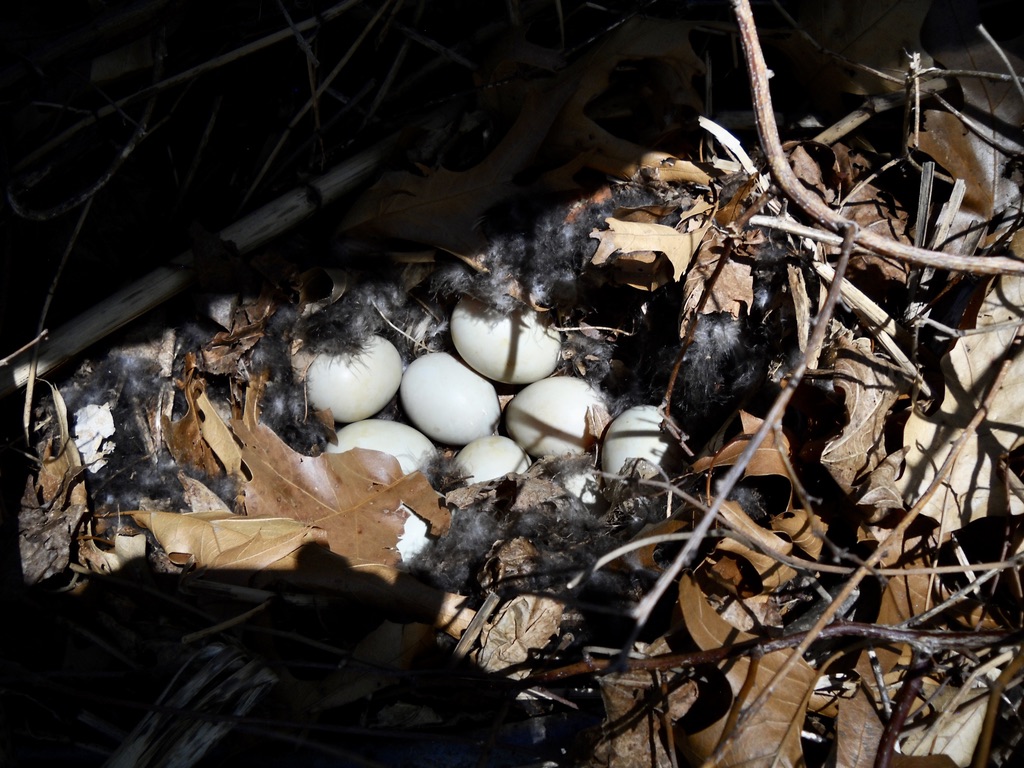
The first brush pile at Salter Grove was created at the north end of the vernal pond in 2020 with masses of thorny climbers removed from overloaded trees and shrubs in the park. What an exciting surprise to find that a female Mallard duck used it to shelter a nest with 12 eggs in April of 2021! 

Since then, brush piles have been mindfully and strategically established throughout the park as volunteers manage the nature trails. These mounds of dried vegetation have become inviting shelters for birds and small mammals. 

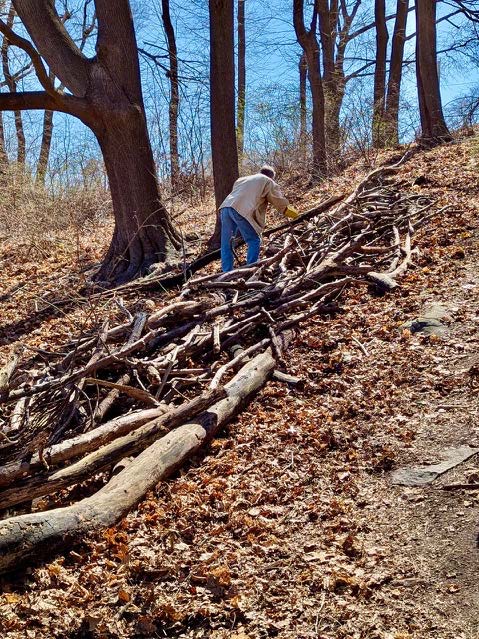
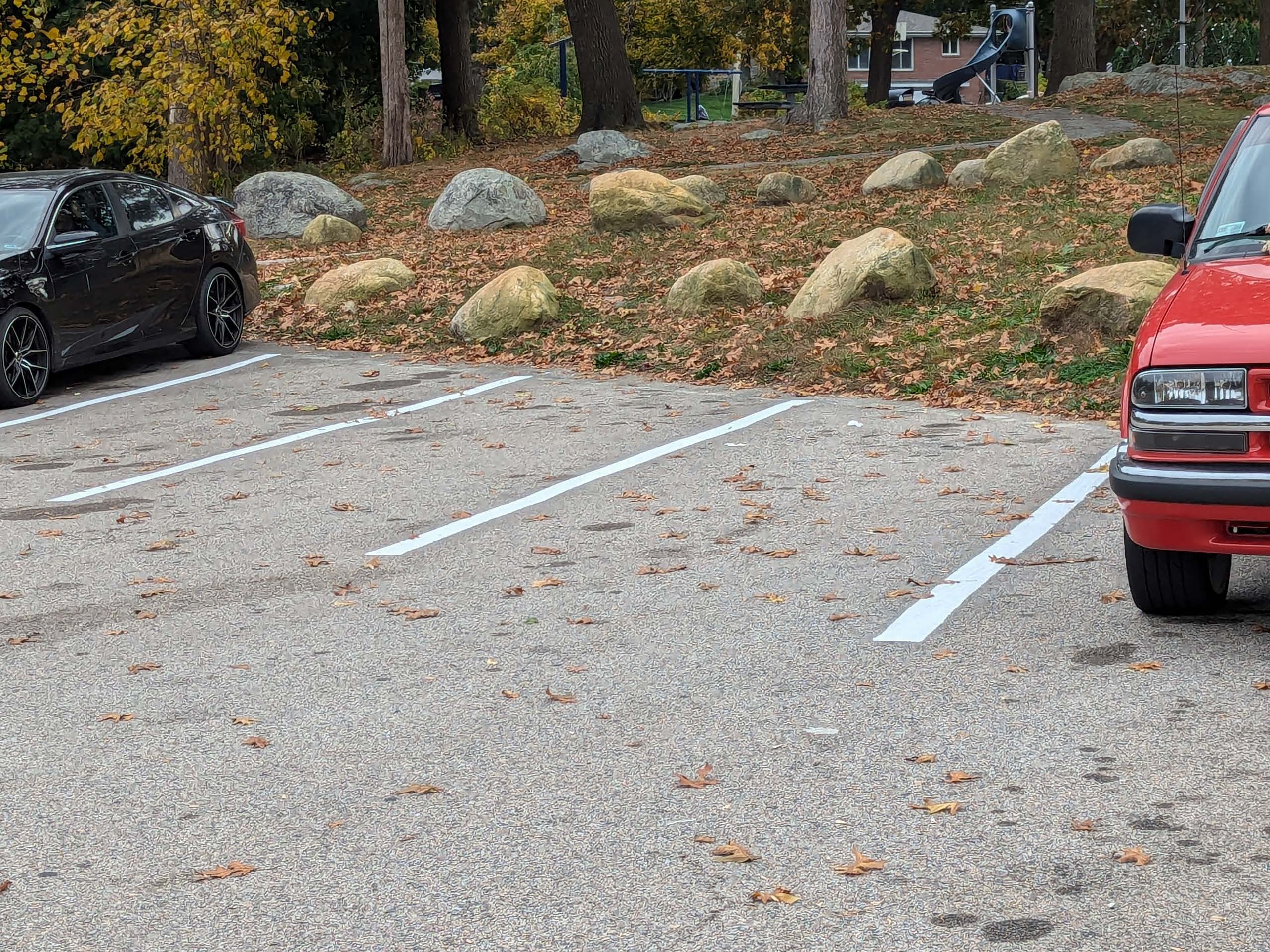
When placed on sloping terrain, the tangle of branches additionally traps leaf litter and prevents soil erosion. The fall of large branches during a storm in late 2020 provided the material for slope protection at the mid-point of Audubon Trail, where bare soil prevailed. 
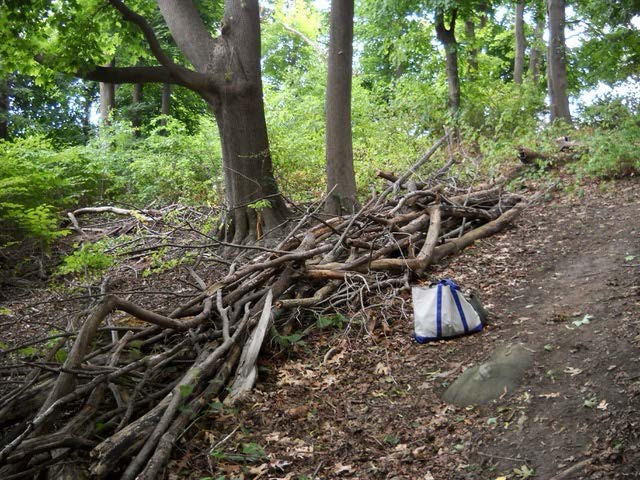
Elongated brush pile established November 2020 

The payoff for building the elongated brush pile was spotting an American Mink capturing a mouse in the vicinity in July 2021, and then two more sightings in June 2022. The observations of this predaceous mammal on a slope so near Narragansett Parkway were unexpected because the mink’s usual haunts are the marshy shorelines along the breakwater, causeway, and Marsh Trail. 

Even plants benefit from the elongated brush pile. The broad-leaved enchanter’s-nightshade, a native species of moist woodland, was seen for the first time in the park in August 2024 upslope at the pile’s southern end! It was likely brought in by a bird that defecated while perching on the brush pile, and no doubt the moist litter-rich environment encouraged the plant to grow where there had been only bare soil. 

And then, for some unknown reason, this elongated brush pile was completely dismantled in March 2025 by scattering in the understory. Thus, a corridor for safe passage and a wildlife shelter was destroyed. 

Friends of Salter Grove has written permission from the City of Warwick’s Tree Warden to manage the vegetation structure of Salter Grove. All branches and foliage cut are formed into brush piles as shelters for wildlife, rather than stuffed into bags for collection. Regular observations of these brush piles indicate that more and more wildlife are using them. 

Even if well-intentioned, whenever individuals dismantle established brush piles, create new ones, or otherwise alter the physical infrastructure of the park, on-going management efforts are disrupted. 

We are always keen to learn how we can better manage the park to recruit more native species of plants and animals. So let us know your ideas (friendsofsaltersgrove@gmail.com), but please don’t undo what has already been done. 
Who Did This?

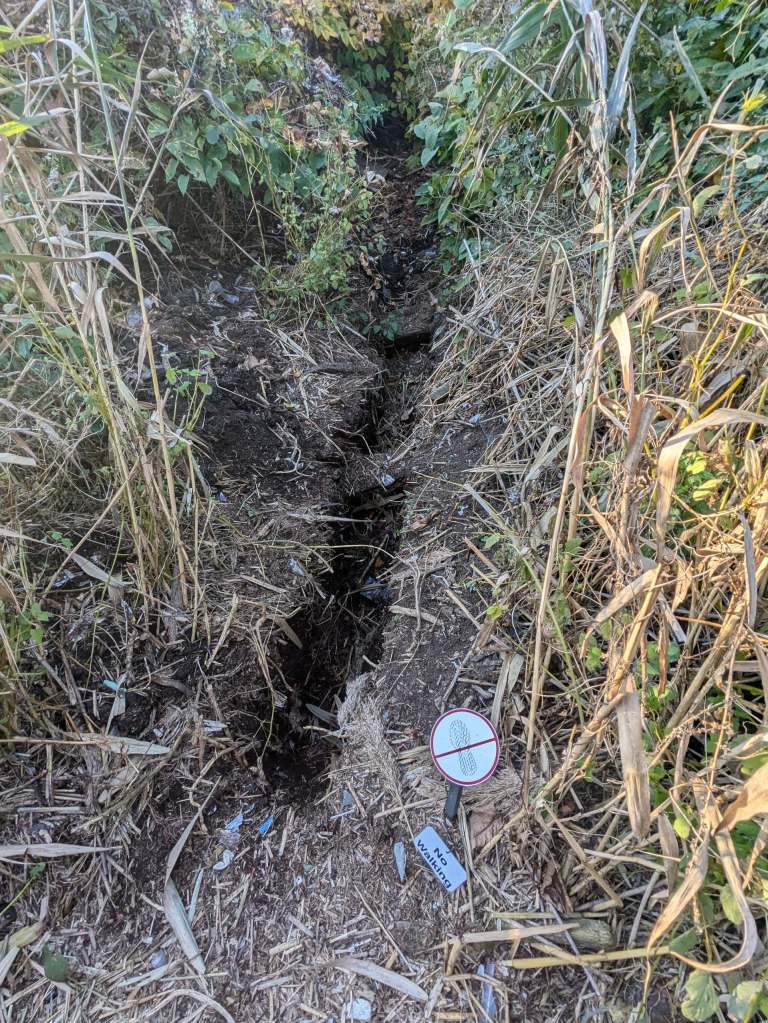
The pictured trench was recently dug to nearly three feet deep at the top of the Phragmites marsh below Audubon Hill at the south end of the park.

Signs notwithstanding, this trench creates a serious hazard to children. It was not authorized by the City of Warwick or RIDEM and serves no useful purpose, Its creation also disturbed natural vegetation and drainage.

If you know who did this, please advise friendsofsaltersgrove@gmail.com, with proof, if possible.

Thanks to Warwick DPW!

Under a Park Use Agreement with the Department of Environmental Management, the City of Warwick has assumed responsibility for the maintenance of Salter Grove for 20 years until 2034.

Stormy weather and careless visitors have added to the demands of this agreement. A large shade tree that just missed falling on one of the benches on Audubon Hill and a shattered wooden guard rail near the playground were the latest challenges.

Hats off to Warwick’s DPW for promptly addressing these incidents!

A Berry Good Year for Frugivores 

The lower-than-usual rainfall combined with higher-than-usual temperatures during the growing season in 2022 greatly reduced fruit production at Salter Grove to a level not seen in many years. It was alarming because many insectivorous birds and their fledglings include large amounts of fruits in their diet after at the end of the breeding season. 

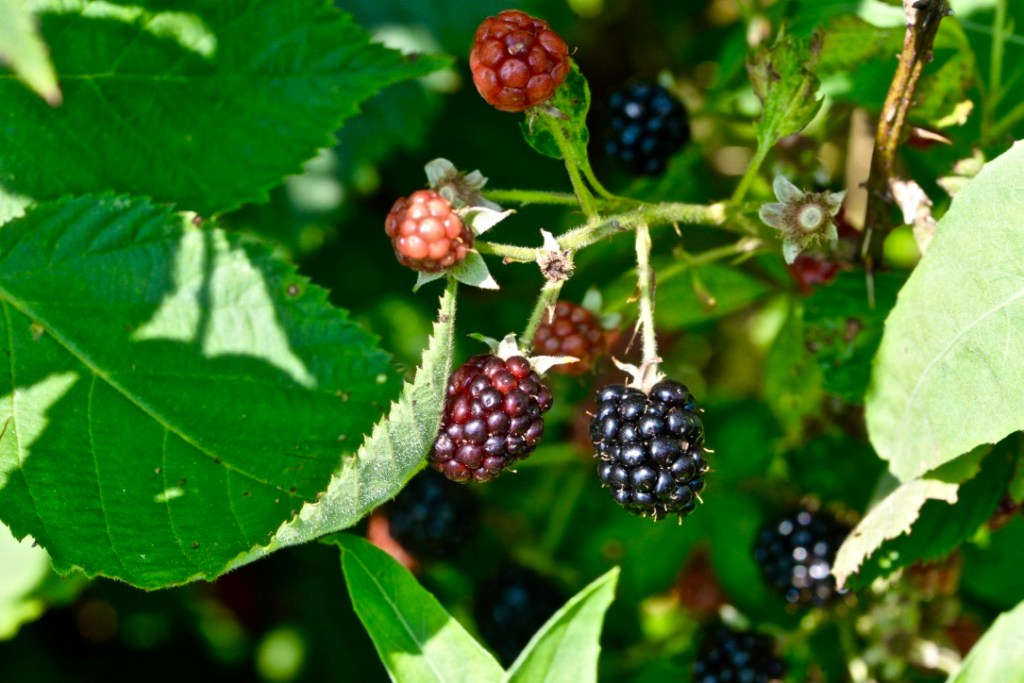
However, the bumper crop of juicy and plump berries this year should convince fruit-eating birds that Salter Grove is a great place to raise their families!

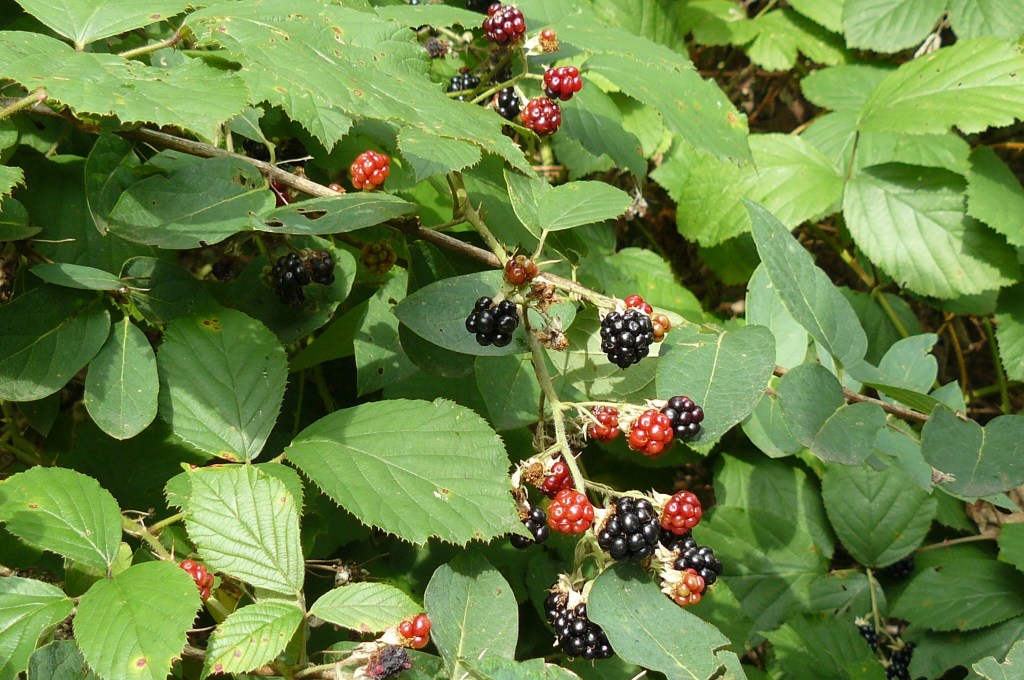
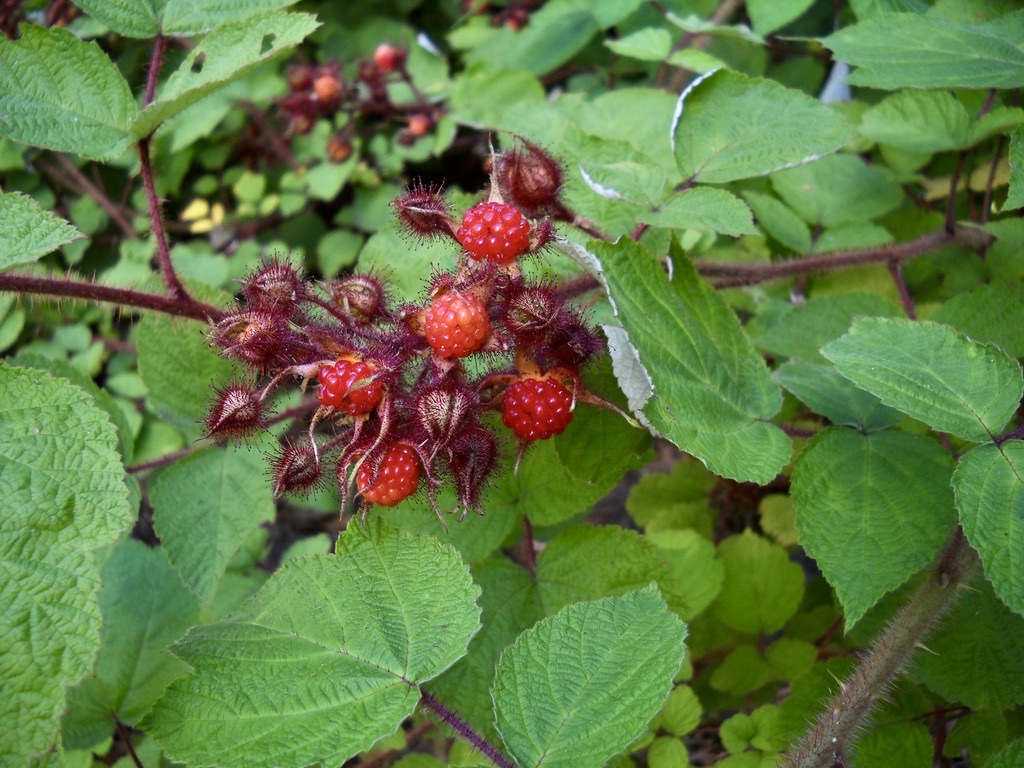
Just two weeks ago, a Baltimore Oriole was already pokoing through ground vegetation to get at fruits of twice-leaved blackberry that creep through low vegetation. 

Twice-leaved raspberry in fruit (National Dendrological Collection of Poland, CC BY-SA 4.0). 

Soon, the hedges of leafy-flowered blackberry, and wine raspberry that line the lawn south of the parking lot will be filled with ripe fruits. 

Continue reading →

Uthful Service

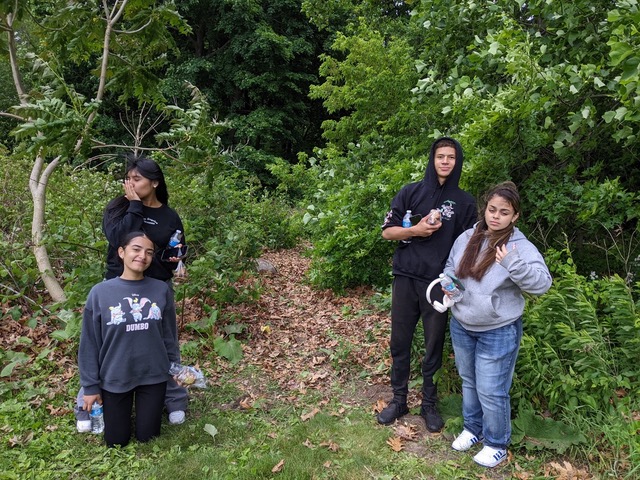
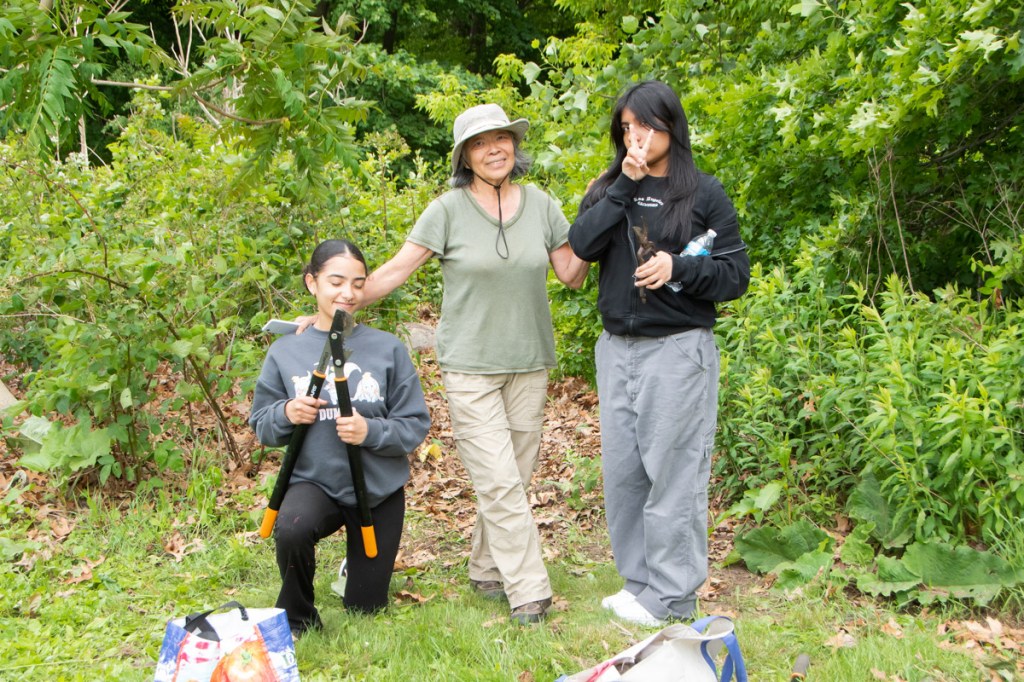
Salter Grove recently hosted high school students who fulfilled their community service hours towards their graduation requirements. The experience proved to be mutually beneficial. 

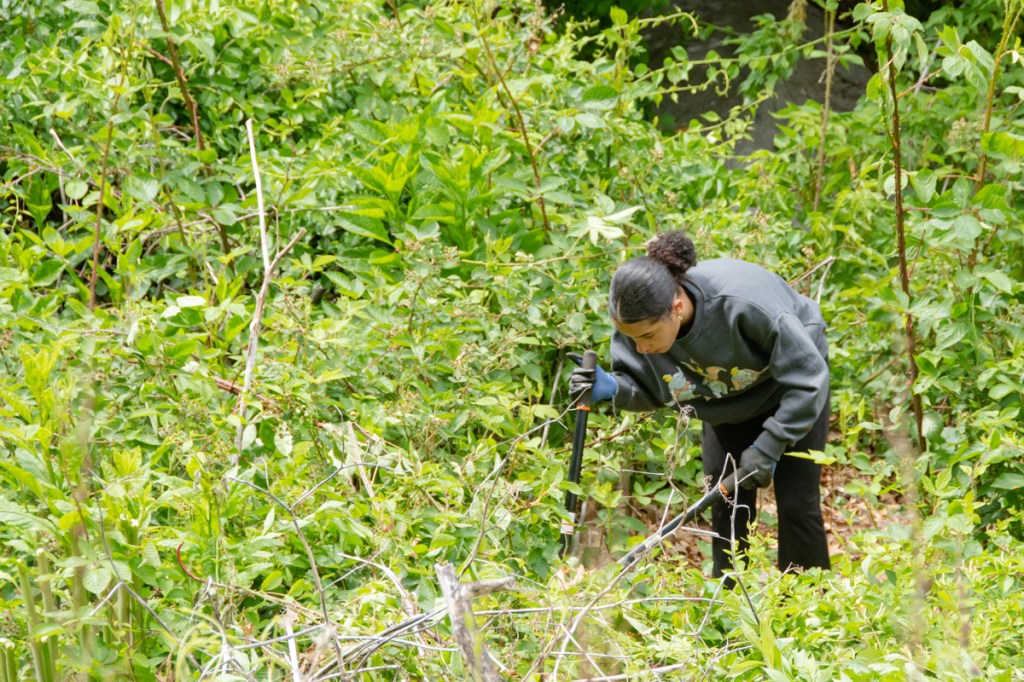
Alexandra Dickinson maintaining the trail through the Knotweed Jungle and excavating a hole for a trail marker. 

Two equally effective approaches were taken. Starting in late May, Alexandra Dickinson, a senior from Lincoln School in Providence dedicated 40 hours over a two-week period to assist with maintaining the vegetation and signage along the nature trails.

Using both field observations and the Guide to Salter Grove, she learned to identify many of the common birds and plants that occur in the park. 

Alexandra examining wild asparagus along the Marsh Trail. 
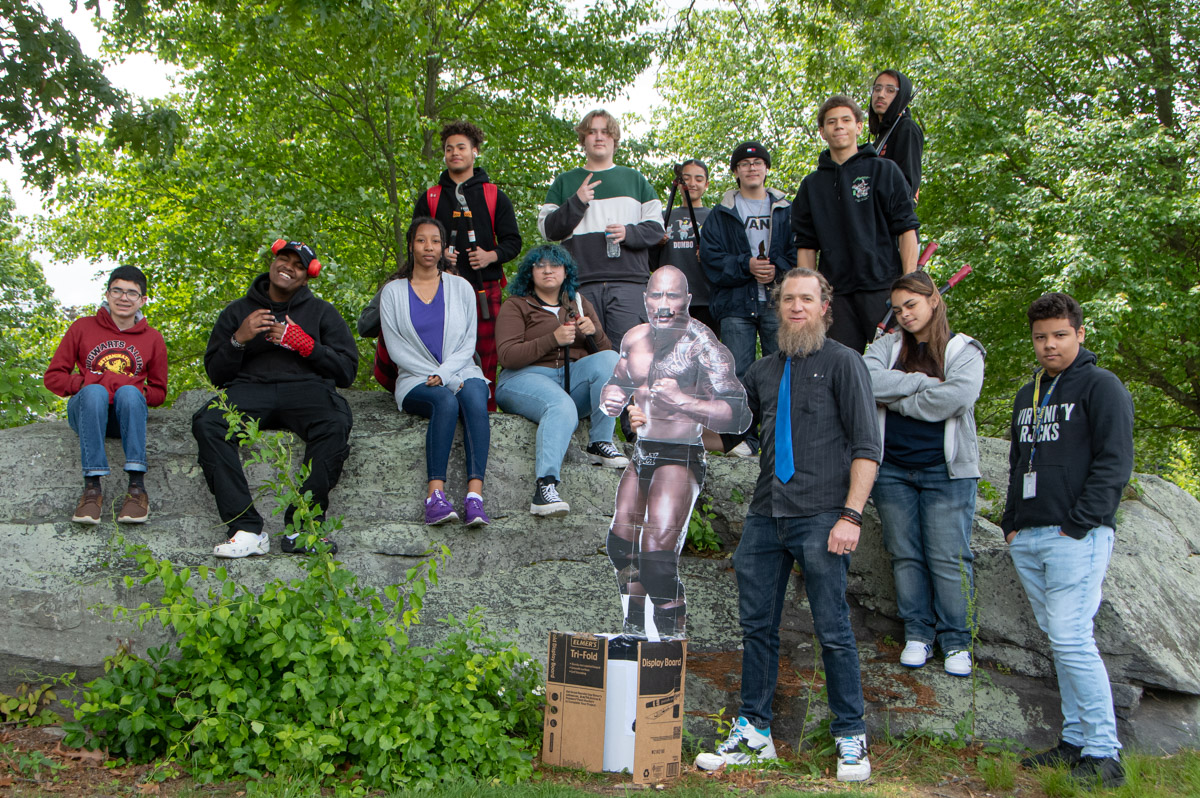
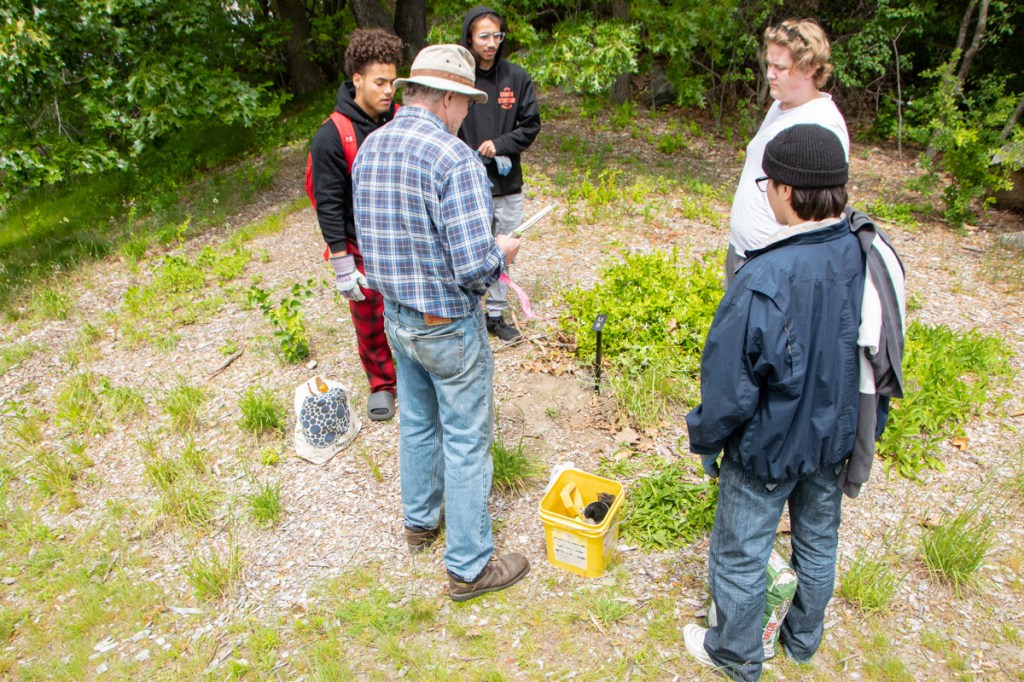
MET HS students, their blue-tied teacher, and their mascot The Rock. 

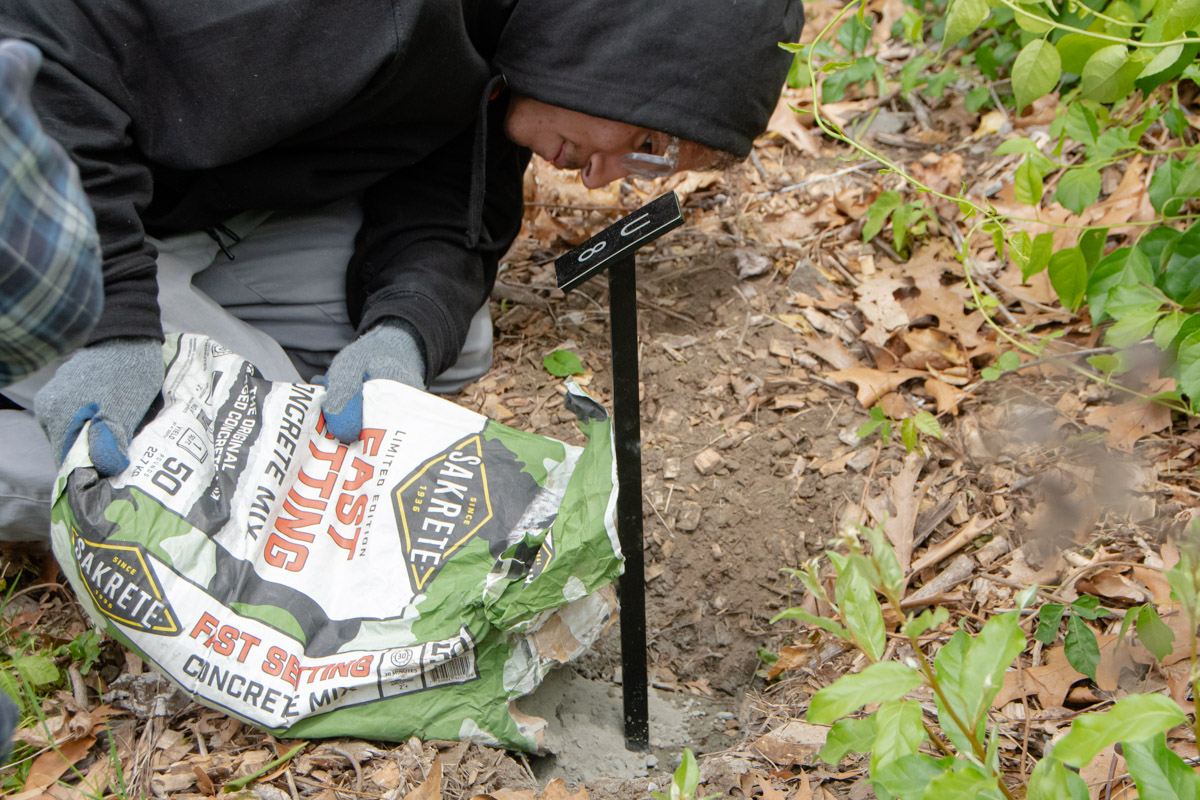
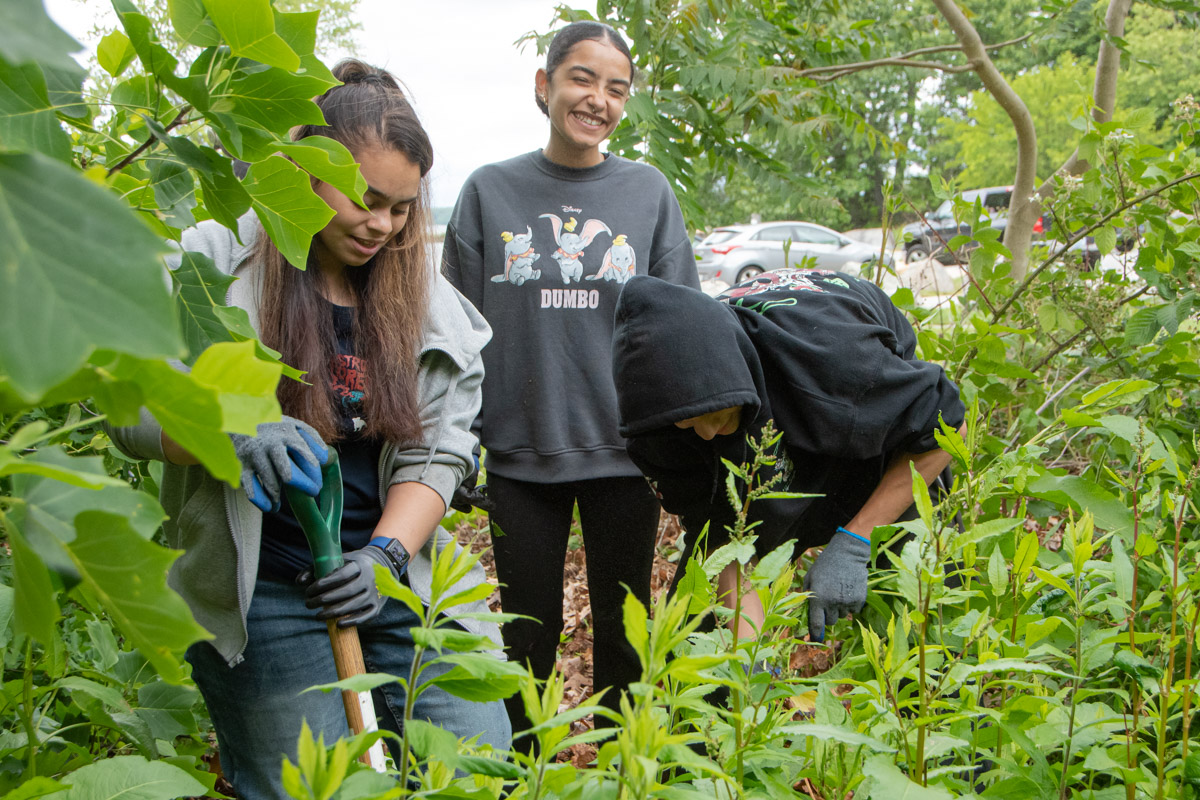
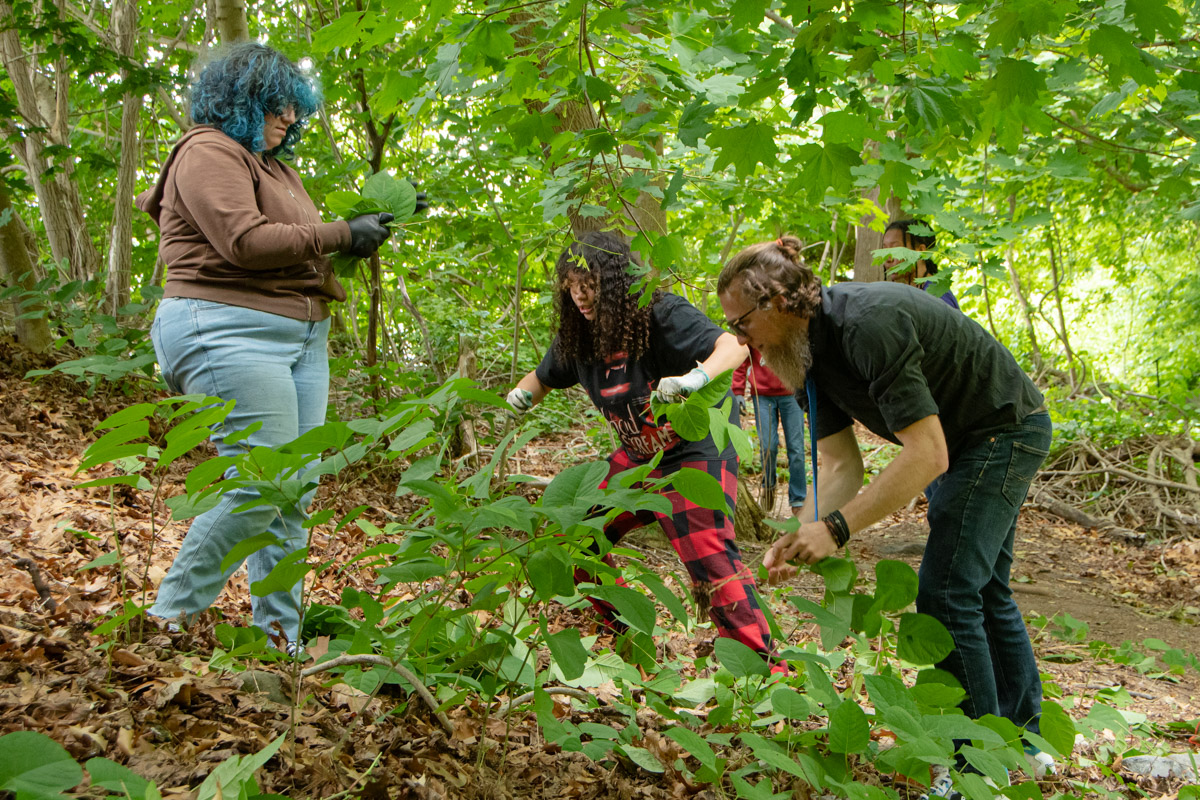
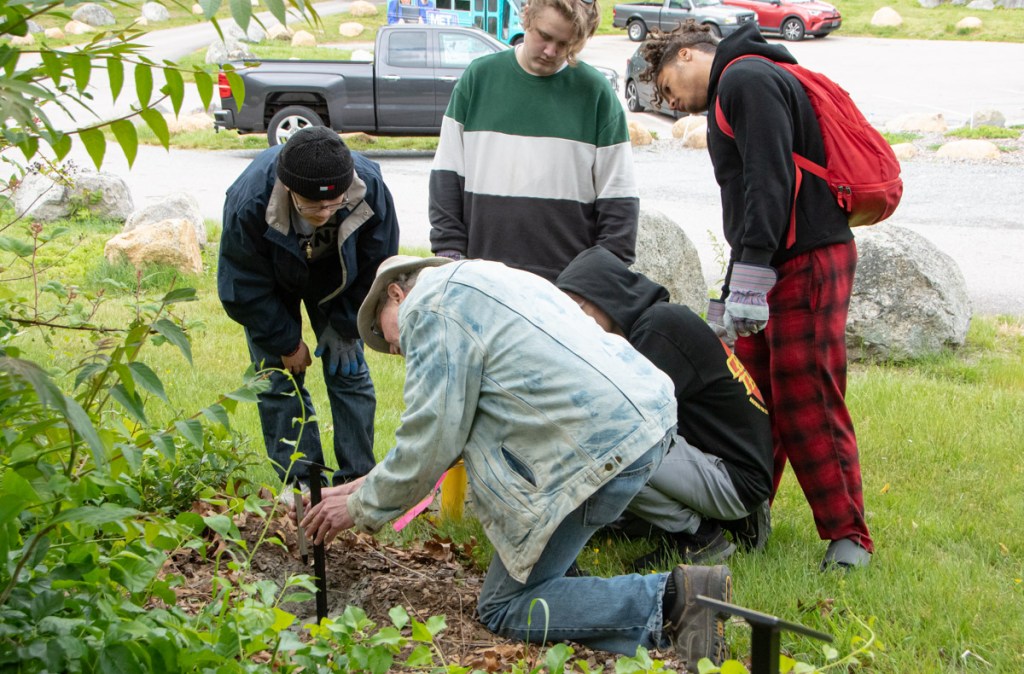
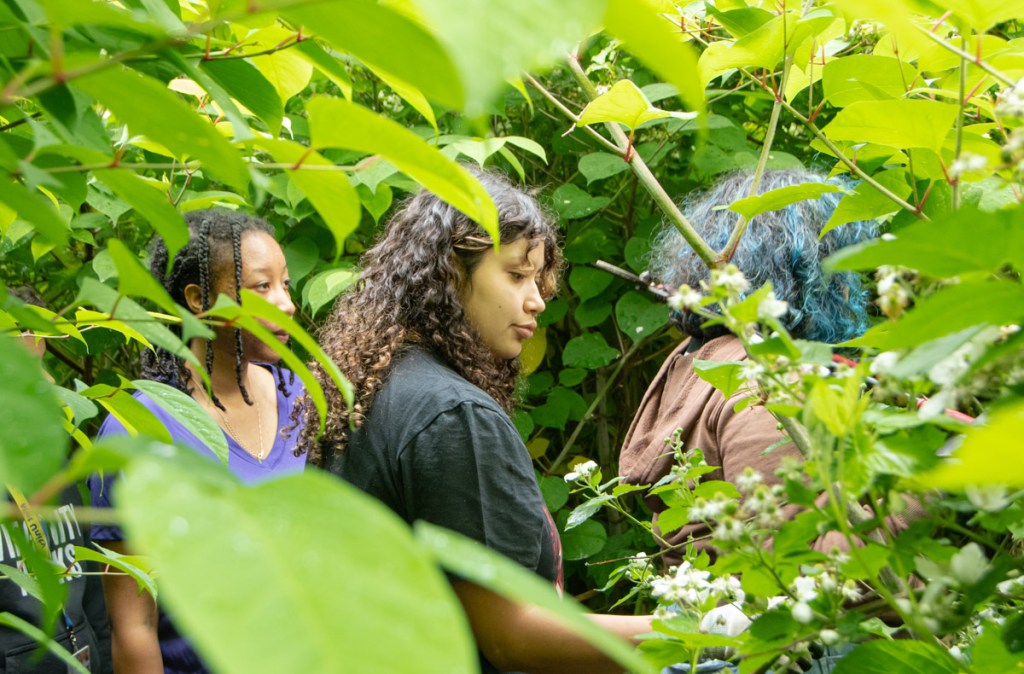
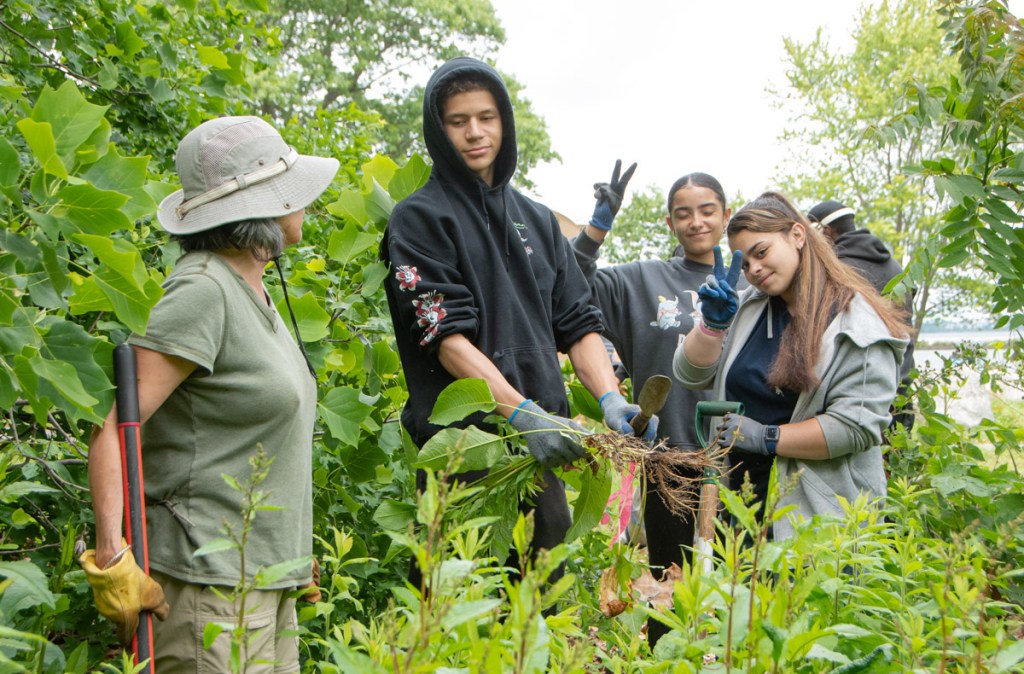
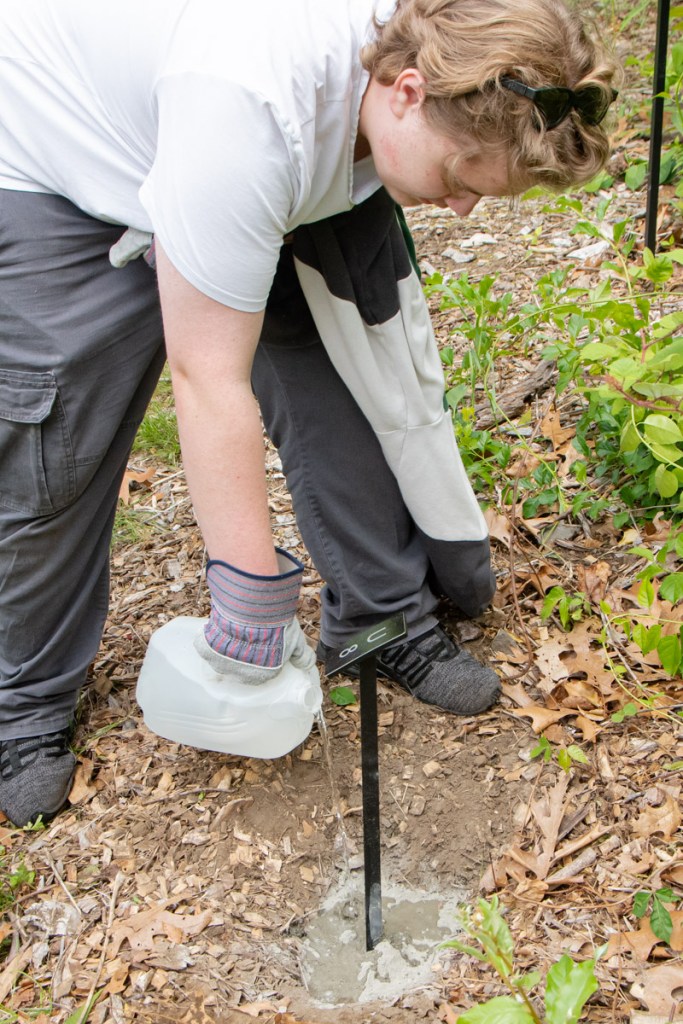
In early June, Cole Robinson and his class of 14 sophomores from the MET High School devoted two hours to: 1) install signage along the Upland Trail, 2) clear vegetation to provide access to a patch of heavily fruiting blackberry, and 3) remove Japanese knotweed throughout the park to deter further invasion. 

Installing a trail marker. 
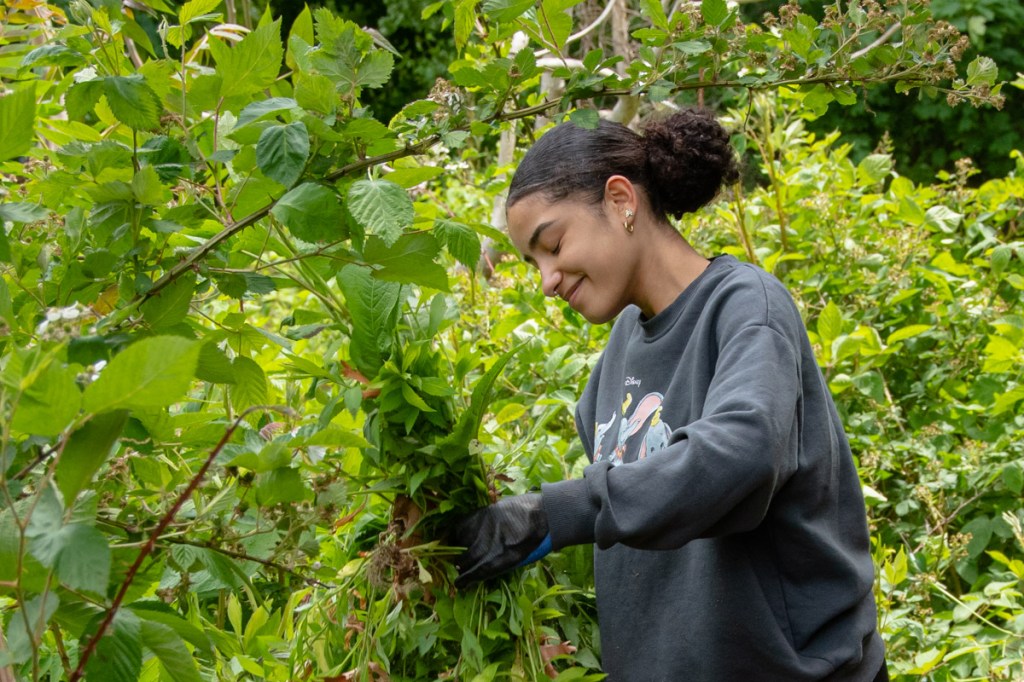
Clearing vegetation for access to blackberry patch. 
Removing Japanese knotweed from pond area. 

All of the students were first introduced to the impenetrable patch of Japanese knotweed on Audubon Field. Witnessing the aggressive growth of this introduced species helped them realize how their respective tasks contribute to the overall care of the park. 

See more photos from the MET students’ work at Salter Grove below:

(MET visit photographs by FoSG member Jason Major)