The lower-than-usual rainfall combined with higher-than-usual temperatures during the growing season in 2022 greatly reduced fruit production at Salter Grove to a level not seen in many years. It was alarming because many insectivorous birds and their fledglings include large amounts of fruits in their diet after at the end of the breeding season.


However, the bumper crop of juicy and plump berries this year should convince fruit-eating birds that Salter Grove is a great place to raise their families!
Just two weeks ago, a Baltimore Oriole was already pokoing through ground vegetation to get at fruits of twice-leaved blackberry that creep through low vegetation.
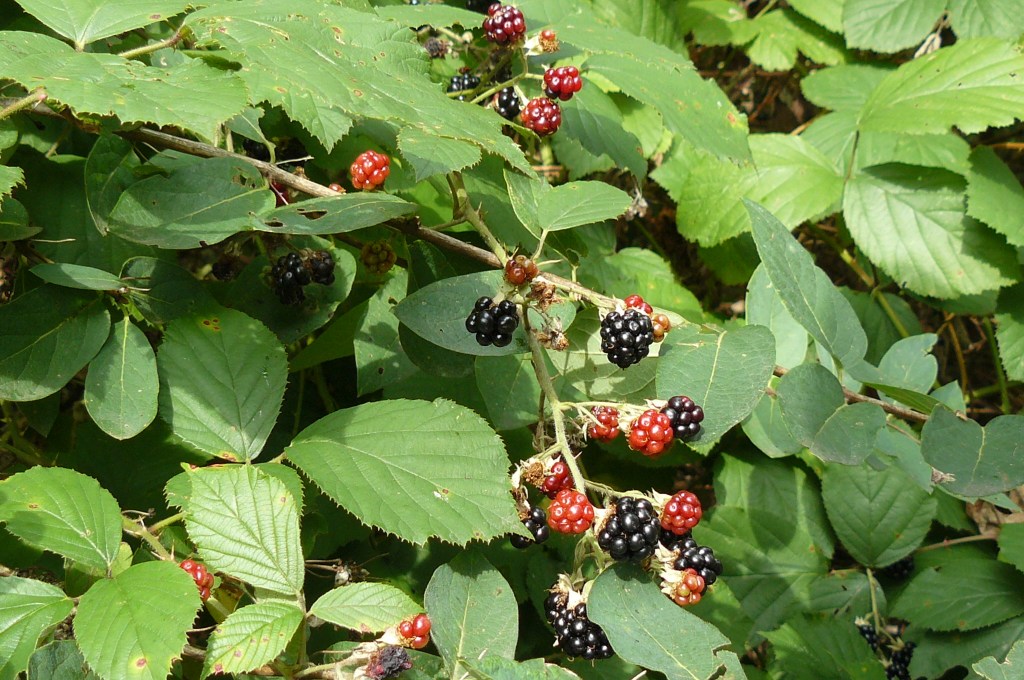
Soon, the hedges of leafy-flowered blackberry, and wine raspberry that line the lawn south of the parking lot will be filled with ripe fruits.
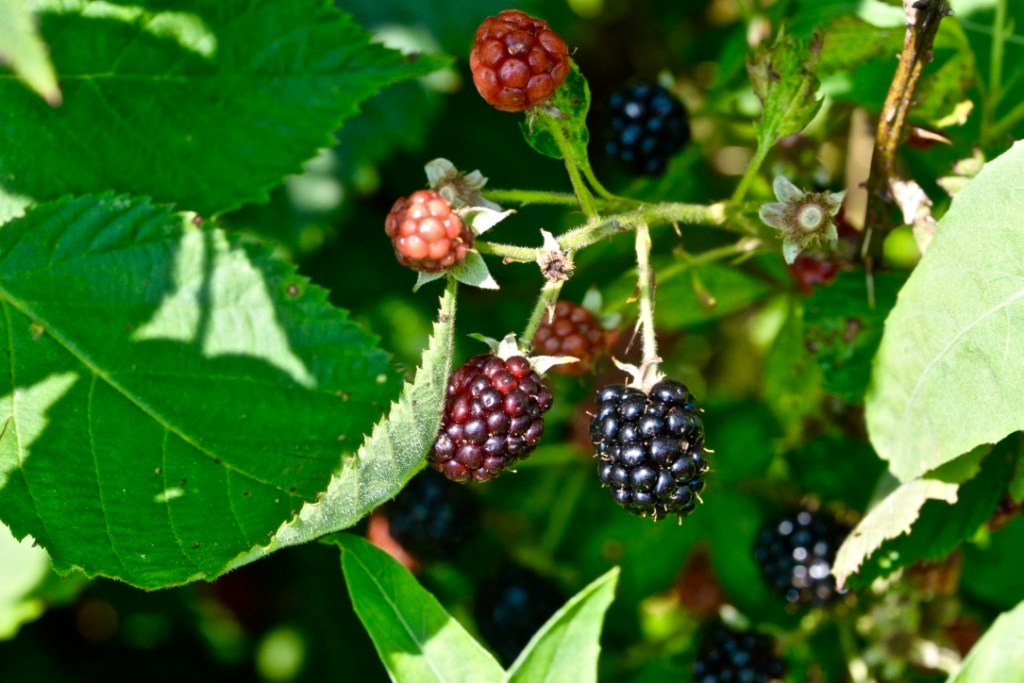
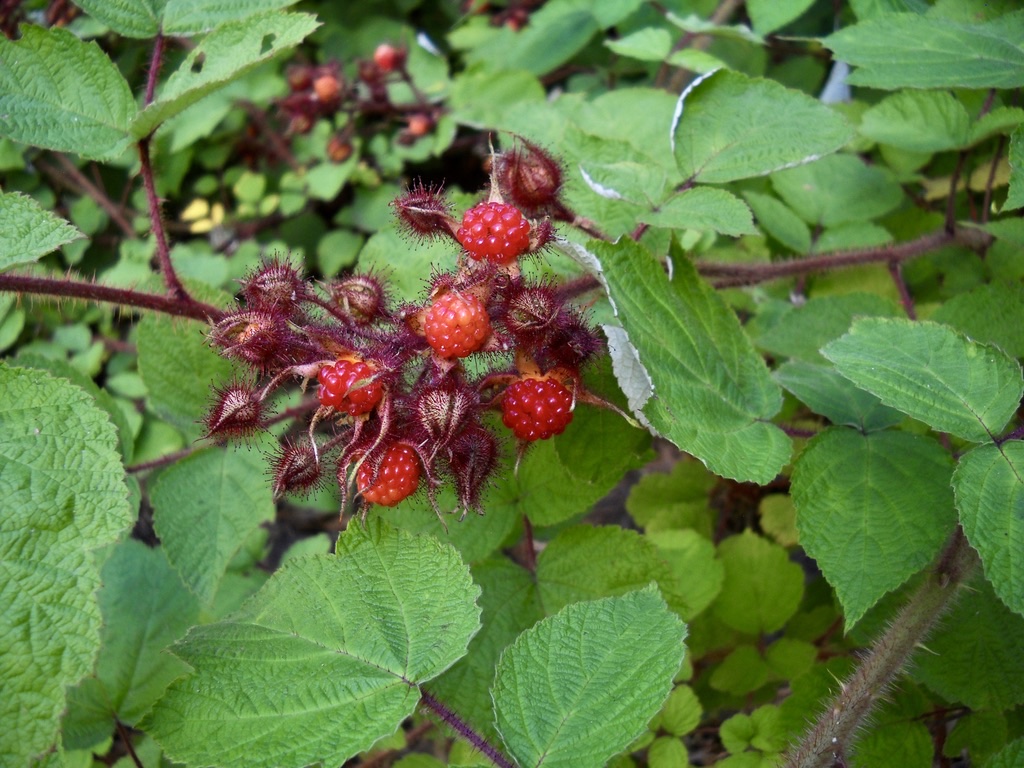
The black raspberry rounds out the list of Rubus species in the park. Mostly growing in the southern portion of the park, a patch of black raspberry occurs along Audubon Trail where it emerges from woodland into the grassy field.

Besides these five Rubus species, Morrow’s honeysuckle also produces fruits that attract fruit-eating birds.

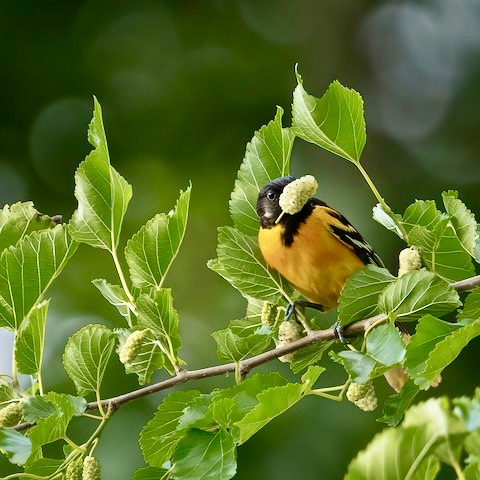
Since mid-June of this year, white mulberry trees throughout the park have been pendulous with fruits and birds that are not even waiting for the white fruits to ripen.

In early September, the American pokeweed will attract both fledglings and adult birds to feed on its purple fruits.


Standing quietly near these fruiting plants, especially early in the morning, will guarantee park visitors great views of fruit-eating birds. Not all of these fruiting species are native to New England but the birds don’t seem to care as they feast away.
(Photos by FOSG member Marina Wong except as noted.)
 Friends of Salter Grove